Listen
Podcast: Play in new window | Download
About
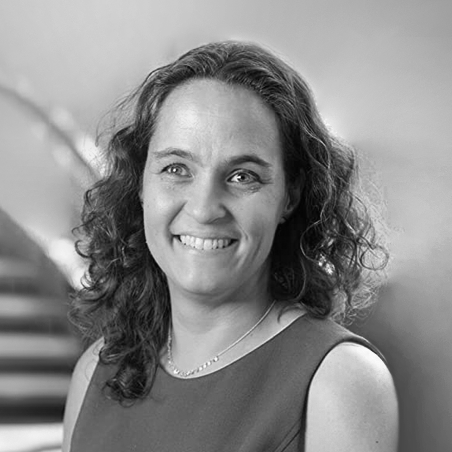

Teresa Torres is a world-renowned author, speaker, and product discovery coach. Her mission is to help product teams make better decisions about what to build. Teresa uses her Opportunity Solution Tree model as a visual representation of how to identify clear business outcomes; uncover unmet customer needs, pain points, and desires; and discover the right solutions that deliver both business value and customer value.
Her book Continuous Discovery Habits is a considered a must read, and has sold over 140,000 copies. Nearly 20,000 students from around the world have learned from Teresa through the Product Talk Academy, which also reaches hundreds of thousands of product people through free blog posts and social media content.
Teresa is a prolific writer and commenter in the product discovery space. In March 2025, she launched Just Now Possible, a weekly podcast that explores everything from workflows and agents to RAG (retrieval-augmented generation) and evaluation strategies, and digs into how their products keep evolving. And in January 2026, she and Product Talk launched a new course, entitled Business Fundamentals.
Recommended Reading
During the episode, Teresa recommends that we explore the writings of the following authors:
For the past 20 years, Teresa Torres has championed the cause of product discovery. We’ve made progress, she says, but there are plenty of companies and teams out there who don’t know much about their customers – and still think they have all the answers. Is AI exacerbating the problem?
In this episode, Teresa returns to Product Momentum taking us on a rollercoaster ride that begins in a pre-ChatGPT world full of hopeful optimism in which product leaders were (slowly, steadily) recognizing the value good Discovery brings – but then spirals through phases of grief as AI-powered Delivery seems to have reclaimed our attention.
As you’ll hear, Teresa remains bullish on AI. But she’s also concerned that AI is pulling us in the wrong direction, making it easier and faster to build and, thus, putting even more emphasis on Delivery. Ever the optimist, Teresa believes that product builders can use the same technology that created today’s predicament to help us course-correct, refocusing our attention on high-quality Discovery practices.
Here’s a few of our key takeaways:
AI Might Be Helping Us Build the Wrong Thing
In our earlier episode with Teresa (58 / Innovate with Product Discovery, published shortly before the release her Continuous Discovery Habits, a must read for anyone in the software space), Teresa talked about how the product community under-emphasized Discovery and over-emphasized Delivery. It was a time highlighted by a gnawing anxiety that we were building the wrong stuff. Since then, the trend was moving back toward a focus on Discovery, Teresa says, until AI changed the trajectory again.
“AI is making it easier and faster to build software,” Teresa says. “But as we do, we’re once again putting even more emphasis on Delivery and forgetting to ask whether we’re building the right thing?”
AI’s Double-Edged Sword: Broad Participation vs. Product Coherence
Teams across the organization are now contributing to software development – a positive trend that Teresa calls awesome.
“We want to empower product teams and draw people closer to the customer to impact the product in positive ways,” Teresa says. “But it’s equally terrifying: who’s creating product coherence, and how do we make sure [each team] is serving the market and not their own specific needs?”
The Opportunity Solution Tree: A Structure Of Discovery That Doesn’t Change
With the Opportunity Solution Tree, Teresa provides teams with “a simple underlying structure that gives us a mental representation” of the interaction between what success looks like (outcome), our customers and their needs (opportunity space), and impact on our customers and our business.
“Do I think that’s ever gonna change?,” Teresa asks. “I don’t. We’re always gonna have to create value for our business. We’re always going to have to create value for our customers. Hopefully, we are doing one thing to accomplish both – not doing competing things.”
As AI enables more people to be makers, teams and organizations will learn new skills and allow everyone who wants, to contribute while still delivering a coherent product that serves their users.
“I actually think that’s gonna be net positive in the long run,” Teresa concludes.
You can catch even more of Teresa’s insights by checking out her podcast, Just Now Possible, which releases new episodes every Thursday. And, beginning this month (Jan. 2026), Teresa and Product Talk are launching a new course called, Business Fundamentals.
Podcast: Play in new window | Download
Sean Murray [00:00:01] The product community seemed like we were in this cycle where we were building the wrong stuff. When you were on the podcast, you described what product discovery was and how to do it. What has changed in the last four or five years?
Teresa Torres [00:00:16] I think one of the challenges with AI is it’s pulling us in the wrong direction. And I’m a huge fan of AI. We can get into that. This is not an anti-AI sentiment. It’s that AI is making it easier and faster to build. And so we’re once again, putting even more emphasis on delivery and we’re forgetting about, hey, maybe we should be asking, is this the right thing to build?
Dan Sharp [00:00:38] How did they figure out how to get going with a good kind of continuous discovery model in a world where now we’re not just learning those fundamentals, but we’re trying to apply those fundamentals with all of these new tech approaches coming in, especially with AI.
Teresa Torres [00:00:53] I actually think that discovery becomes more important, big surprise. We see a lot of half-baked AI features that don’t really work. You know, there’s a period of time where you’re gonna get a little bit of lift from saying AI this and AI that. But that period of actually might already be over. I think we’re starting to see some backlash against AI. We’re starting see some back lash against the foundation labs and what kind of world they’re creating for us. And I think it’s no longer gonna be good enough to just slap on some AI features.
Sean Murray [00:01:29] How do we get to that point where we can have organizations recognize that we’re sprinting in the wrong direction? And how can we bring them back into, you know, I think one of the core tenants of product discovery is, is, Is mapping opportunities, right? So how do, how do we, get back to ensuring that everybody’s going after the right opportunities?
Teresa Torres [00:01:46] I wish I had an answer. I will tell you, I feel like I’ve been advocating for Discovery for 20 years and we’ve made progress, but there’s still plenty of companies and plenty of teams that don’t know very much about their customers and don’t talk to them and still think they can sit in a room and have all the answers. And that’s gonna get a lot worse.
Sean Murray [00:02:10] Dan, we just got done with Teresa Torres. She was amazing. She’s been on the podcast before, but we had an all new experience this time. Tell us about it.
Dan Sharp [00:02:19] Well, first off, had to not be starstruck. Continuous Discovery Habits was one of the seminal books I read when learning how to be a good product manager. Our discussion was awesome, right? We talked about AI and how it is relating into continuous discovery skills, the importance of maintaining those skills. And then we went all the way to just talking about understanding business and good product habits. Amazing. Just get in there.
Sean Murray [00:02:44] Amazing stats about just the number of people that aren’t able to connect what they’re doing with providing value to the business. This is a great episode. Let’s get after it. We are here today with Teresa Torres. Teresa Torres is an author, a prominent voice, and writer in the product space, and a past guest of the Product Momentum podcast, episode 58 in April 2021. And we’re super excited to have her back. Her book, Continuous Delivery Habits, essentially required reading for product people. So Teresa, welcome back.
Teresa Torres [00:03:25] Thanks. It sounds like the last time I was here was literally right before the book came out. Yes. The book came in May of 2021, and I apologize for correcting you, but it is continuous discovery habits. Just so folks can find it.
Sean Murray [00:03:40] Thank you. So when you were here last, you talked about how at the time we were under emphasizing discovery, we were overemphasizing delivery. We seemed like we were in this. And when I say we, I mean, like the product community seemed like we’re in this cycle where we. We’re building the wrong stuff. Um, when you, when your on the podcast, you described what product discovery was and how to do it. What has changed in the last four or five years?
Teresa Torres [00:04:09] You know, I feel like we’re on this trajectory, probably since like, let’s say 2005 to 2020-ish, maybe 22, I’m gonna put it at the release of ChatGBT, where we were actually getting better. Companies were starting to recognize we gotta include the customer in the process, we need faster feedback loops. I’m not gonna say we were getting great at it, but we were, I would say, steadily getting better, I think one of the challenges with AI is it’s pulling us in the wrong direction. And I’m a huge fan of AI. We can get into that. This is not an anti-AI sentiment. It’s that AI is making it easier and faster to build. And so we’re once again, putting even more emphasis on delivery. And we’re forgetting about, hey, maybe we should be asking, is this the right thing to build? And there’s parts of this I love. Like we’re seeing some companies, like I always like to look at the companies that are on the bleeding edge because I feel like it’s a little hint of what our future might be. And we do have companies where The marketing team is shipping to production. The sales team is shifting to production, this is both awesome and terrifying. And the awesome part is that like, in the same way that like we wanna empower product teams and get as many people close to the customer, like impacting the product, that’s amazing. It’s terrifying because who’s creating product coherence and how do we make sure we’re serving the market? Now I think there’s ways to enable this and allow both. Over the last three years, we’re starting to see a negative trend on the discovery side, which definitely worries me, but I’m hoping this exact same technology is going to help us course correct and help us do better discovery.
Sean Murray [00:05:54] How do we lean into those teams that actually want, you said like, you know, marketing, shipping, shipping to production, right? These other stakeholders are clearly excited. They’ve got, now they have the tools to do it. How do you still leverage or how do we make sure they feel like they’re a part, an important part of the process of getting the right thing built without maybe giving them like the driver’s seat all the time?
Teresa Torres [00:06:19] Here’s what I love about what’s happening with AI. I feel like humans are makers. Some of us happen to be on a path where we learn to maker skills and we really are makers, some of us, maybe what was required to learn those skills was intimidating, but I feel we’re still makers, like humans inherently creative, we can envision a future, and I think AI is unlocking this ability for more people to be makers and more people be builders. And I actually think that’s gonna be net positive in the long run. I think as companies, we have to learn new skills to allow everybody to contribute, but still end up with a coherent product. And there’s a company I just read about, I can’t remember, it’s one of the new, like super sexy, fast growing startups, like a ramp or a linear. I don’t remember which one it was, I apologize. Maybe I can find it afterwards and we can put it in the show notes. What they do is they literally let anybody push to production but gated so they have a pool Of like lab customers customers that have opted in to saying give me anything and everything you ever create They have about 5 000 customers in that pool And literally anybody in the company can push and release to that pool But then they have really strict controls on what goes from that pool into the general audience And I actually really like that as a gating mechanism. This is really similar to Facebook’s harness where they say any engineer can push to 1%, but then we’re really rigorous about what goes from 1% to 100%. And I think what I like about this is it allows us to collect real data on what works. And we for a long time have said anybody can have a good idea. And this really sort of puts the rubber to the road, Right? Like… We’re letting anybody push to this group of people that have said, we want to try anything and everything, but then we’re being really disciplined about how, we’re basically saying for our earliest adopters, we’re going to be super innovative and give them anything and anything that we throw at them. But for everybody else in the market, we’re gonna be really thoughtful and careful and make sure that we maintain a coherent product. And I have a feeling we’re to see more of that. I think that’s roughly in broad strokes the right model.
Sean Murray [00:08:40] Is that like you?
Dan Sharp [00:08:42] Sorry, I think it seems like with that model, it’s almost replacing like high five mockup type user testing. Is that what you’re seeing where it’s like, you’re almost taking concept level features getting in front of the real users and learning that way as opposed to like a pre-production type discovery model.
Teresa Torres [00:09:03] It depends. It’s going to depend on a lot of things. First of all, 5,000 customers is still a lot of people, and so I might want to make sure that I’m doing some usability testing, I’m doing some prototyping even before I push to that population. It is going to be dependent on the nature of the change. Some changes probably don’t need that. Some changes might. It will depend on whether what we’re touching involves money. Right, if we’re looking at payments and like It’s gotta be rock solid. Like, you don’t wanna mess with payments for 5,000 customers. You don’t want to mess with payment for five customers. So it’s still kind of, we still have to tailor our discovery to the risk involved. And I think these types of mechanisms allow us to manage a lot of risk, but still not all of it. I don’t think prototyping is going away. I don’t think like, just concept testing with customers is going a way, but I think we’re gonna get to faster interactive. Things that feel like real products much quicker, and I think that’s a net positive.
Dan Sharp [00:10:04] Yeah, you mentioned, you know, mentioning how letting yeah, kind of everyone sit in the product. I feel like I just heard a whole bunch of dev managers to scream in terror.
Teresa Torres [00:10:11] Yeah. Like I said, there’s a lot about this that’s really terrifying. Even the designer in me is, who’s making sure we have a coherent user interface? One of the things I hate is as companies grow, and especially companies bought by private equity, where they’re squeezing the orange, they’ll add feature after feature after future after feature, and none of them work together. And as a consumer this is like my biggest pet peeve. Of like, okay well I’m using feature A and feature B and therefore I can’t use feature C because it doesn’t really work with feature A in feature B. And it’s like I’m responsible for figuring out what’s the combination of features that work well. Whereas to me that’s the product team’s job and why aren’t they doing that? And it is because this is like a classic symptom of a feature factory. And this is where I think like AI is going to make us worse at this. Like, but we’re gonna quickly get better at it. And I think, like. AI kind of breaks all of our norms about like how fast we can go and how much we can produce. And so I think we’re gonna have to develop new ways of testing for coherence and like inner compatibility of all these different features. But the part I love is let’s unlock the creativity of everybody in our organization and let them contribute.
Dan Sharp [00:11:29] Yeah, a minute ago you were mentioning companies on the bleeding edge. Yeah, and I’m wondering, obviously discovery hasn’t been solved everywhere. You know, what about those companies, especially maybe ones that don’t see themselves as like traditional tech companies and software companies that still obviously software’s a huge part of their business. How did they figure out how to get going with a good kind of continuous discovery model? In a world where now we’re not just learning those fundamentals, but we’re trying to apply those fundamentals with all of these new tech approaches coming in, especially with AI.
Teresa Torres [00:12:05] Yeah, I actually think that discovery becomes more important. Big surprise. We see a lot of like half-baked AI features that don’t really work. You know, there’s a period of time where you’re gonna get a little bit of lift from saying AI this and AI that, but that period of actually might already be over. I think we’re starting to see some backlash against AI. We’re starting see some back lash against the foundation labs and what kind of world they’re creating for us. And I think it’s no longer gonna be good enough to just slap on some AI features. So I think, we’re gonna see even our traditional companies, our airlines, our banks, whatever our retail companies. There’s lots of opportunity to use this technology well and to solve real customer problems. In fact, since we’ve talked, I’ve started a podcast called Just Now Possible where I interview product teams about the AI features they’re building. And there’s some pretty amazing stories out there. So for example, I just interviewed a team. They’re a travel company. They book travel for employees. So their ideas are trying to make business travel as easy as possible. If you book through this company, you don’t have to fill out expense reports, everything’s paid for. They’re just trying to remove this like bureaucratic work of like paying on a card, getting a receipt, filling in an expense report, having it be approved. And one of the challenges they ran into in their business was they would reserve hotels with a virtual credit card and some hotels struggle with virtual credit cards. And so the employee would show up and their hotel wasn’t actually booked because the payment didn’t go through. And so their customer care team had to call, make like 10,000 calls a week to hotels to make sure payment actually was processed correctly. Well, they built a voice agent to do this. And they now have a voice agent that is making 10,000 phone calls a week. And they’re actually verifying at a higher rate than their human team was able to do because they can make more calls. And this error that they were encountering where someone would show up in their hotel room was actually booked has come way down. And they are saving a ton of money because they’re not having humans do it. And they still have a customer care team and they still all have their jobs. They’re just going back to actually taking care of their customers. Instead of like calling hotels and saying did you charge my card correctly? Um, and that’s such a great use case of like a very real customer problem with costs involved that they’ve completely solved And I think there’s going to be plenty of opportunity for this in our traditional businesses But that’s not a very sexy product, right? That’s not something they’re splashing on their home page saying look at this amazing ai thing we built But it is something that just created a ton of business value and works really well
Dan Sharp [00:14:43] I think that service is just for you, Sean.
Sean Murray [00:14:45] Yeah, I actually was going to say that I think that somewhere the ITX travel desk is hearing this and is like, we got to get this for Sean because I’m not a schedule and budget and booking guy that’s probably the lower end of my lower end of my overall skill set. You said that we’re going to experience some pain early because we are going to build we are gonna be because of the ability to build the wrong thing faster. We are going to build the wrong thing faster. How do we get teams to, where do you think the breaking point’s gonna be? How do get to that point where we can have organizations recognize that we’re sprinting in the wrong direction? And how can we bring them back into, I think one of the core tenets of product discovery is mapping opportunities, right? So how do we back to ensuring that everybody’s going after the right opportunities?
Teresa Torres [00:15:32] I wish I had an answer. I will tell you, I feel like I’ve been advocating for Discovery for 20 years and we’ve made progress, but there’s still plenty of companies and plenty of teams that don’t know very much about their customers and don’t talk to them and still think they can sit in a room and have all the answers. And that’s gonna get a lot worse. In fact, I’ll tell you this past week, Anthropic just announced their Anthropic interviewer where they basically had Claude interview 1,250 people. I actually find this to be a really compelling use When you use Claude you get a little pop-up that says you have 15 minutes to participate in an interview You can do it via text you can do via voice and Claude is literally interviewing you Well Anthropic made all the transcripts available and I started looking through them What’s funny is Anthropic reported they had their user researchers involved in this process But if I look at the questions that Claude asked they’re not good interview questions and so Like, I actually was just having a conversation with Claude right before this podcast, trying to check some of my own assumptions. I was like, when is this type of question a good question? Like am I wrong in thinking this is not a good a question? We went back and forth and Claude even provided research that supports and I was like, I framed it as like, tell me when this is a good questions, right? Like I’m trying to like disprove my bias. I think like the challenge we have, and again, I’ve been trying to advocate for just for 20 years. Most people, including people that have research in their job title, they learned on the job, they learned methods that are not grounded in actual research methods, and we’re seeing a ton of really poor quality research out there. And I don’t know why this is. Like we have good books, we have people out there teaching this stuff, we have amazing thought leaders in the space like go read Rob Fitzpatrick, go read Indie Young, Go read Steve Portigal, read my book. Like, there’s tons of people out there teaching how to conduct a good interview, but most people are still doing the wrong thing. And I think, like, what this comes… And even, like big companies with user researchers are still doing the right thing. And I thing part of this is, who do we hire as researchers? We hire people out of school with PhDs. OK, if you have a PhD in anything other than, let’s say, HCI or human factors, you didn’t necessarily know how to do industry research. Like if you had a PhD in anthropology. You probably did one large-scale research project in a specific context, and it’s up to you to translate that to industry. I’m not criticizing that person. That’s their research and their experience. Or we have researchers that came into industry. I’m making a lot of enemies right now with this rant, but we’re gonna just push through it. Or we had people that came in to industry, and they learned from their peers. But their peers didn’t necessarily learn about like good, valid, reliable research questions. And so I think what’s hard is companies start to do good, start to what they think is good discovery and they don’t get high quality output from it because they’re not asking the right questions. They’re not doing valid, reliable research. To be honest, I don’t know how to fix this. In fact, before we started recording, I said I’d rather talk about AI than discovery. And it’s cause I kind of have discovery fatigue. Like I’m running out of ways to try to teach this and try to spread these ideas because I’ve been doing it for so long and like. There is a microcosm of people that are like really engaging in learning this, but there’s still a vast majority that don’t. And so I think what’s gonna happen, the reason why I think this is gonna get a lot worse is we’re like Anthropic, we’re gonna use AI to interview our customers. We’re gonna ask bad questions at scale, and then we’re going to do bad synthesis at scale. And we’re still gonna build what we always wanted to build in the first place. And I know this sounds super cynical. I wish I was maybe a little happier this morning about this, but that is where we are. Like that is our reality. And so I think what’s gonna happen is we’re gonna have like really good companies with good researchers that are asking thoughtful questions. They’re gonna learn how to do that at scale with AI. They’re going to learn how to do AI synthesis at scale at a high quality. And hopefully what it means is they’re gonna run ahead and we’re going start to learn from them. Because I haven’t learned anything. It’s that the way companies change is they see a really sexy, successful company do something and they try to adopt that company’s practice. So hopefully we’ll see some companies run ahead and be way better than everybody else. And the way they got there was by doing better research and it will help spread their practice. But I think it’s gonna get ugly before it gets better.
Sean Murray [00:20:12] You know, our, uh, the father of this podcast, Sean, Sean Flaherty, he does a lot of different talks, but one of the, one of those sections of his talk, he talks about kind of like the cycle of grief in software software death. And I feel like potentially we’re in this, we could be in this like cycle of grief, uh in the way you probably explained it, or like the bottom is going to be, the bottom is going to be when they realize how much bad investment has been made. Right. Well, we see new things. Share that like, we shrink that like how do we shrink that and get to like the part where they’re. There is some positive return from the pain that we, pain that we experienced, but I think what you’re saying right now is you feel like we might be, we might just be driving down into the bottom of the cycle. Then hopefully we’re on the upswing back up soon.
Teresa Torres [00:20:53] Yeah, I also will just share like that’s a really that change curve and the and the like the dip of grief like is It’s probably where i’m at with discovery personally if it wasn’t just clear from my previous answer like You have I do this for so long and like not see change to be like, okay Well, I probably I probably should stop pushing this boulder up this hill Um, and that’s partly why like i’ve been geeking out on ai so much So i’ve, been doing a ton in my own personal work and i’ve Been starting to build tools because I actually am starting to think maybe instead of training humans how to do discovery well, I should be building tools for AI to do discover well. Because I think what we’re seeing from businesses over and over and again, is that for humans, it feels like we’re right and we can sit in a room and have the right answer. And so we don’t make the decision to invest in discovery. We don’t introduce doubt. We don’t like, we just think there’s no time. And so maybe the right is. Let’s build discovery tools for AI to do that for you and for AI do it well. I don’t know, maybe. That’s my current half-baked hypothesis.
Dan Sharp [00:21:59] I love it. I mean, we’re product people, right? Most of our hypotheses are half-baked. Yeah. Kind of going back to what you’re saying, having folks maybe come and discover whose backgrounds are in broader anthropological, that was a $10 word, having that kind of background versus maybe product managers with industry knowledge. Have you, do you see, when you talk to folks that, you know, maybe the other folks with. The industry knowledge can be more easily trained in asking good interview questions and vice versa, or are you just like, yo, AI, I’m gonna teach AI how to ask the right questions here.
Teresa Torres [00:22:42] You know what? I think people with both those backgrounds bring different skills and are very valuable. So if I have a PhD in anthropology and I did like a long period qualitative research study and I learned ethnographic methods and I learnt how to do good observations, that’s incredibly valuable in industry. What you have to learn when you come to industry is that industry doesn’t work at the pace of academia. And so you have learn. How do you translate those research methods to be good enough for the pace of industry? And that’s where I see PhD researchers really struggle is they talk about like, why do we have to go so fast? Why can’t we slow down and get it right? If we do it right the first time, it will save time in the long run. No business leaders ever gonna buy that argument. And I think this is why a lot of researchers like struggle when they come into business. The flip side is you learned in industry, you actually work at the pace of industry. But you have zero concept of reliability and validity and what leads to good research. I actually think both can learn this, right? Like we’ve taught, since 2017, I’ve had a course on a very simple format of interviewing, which is just story-based interviewing. What I like about it is it’s reliable and it’s valid. It’s good research methods. It’s fairly simple to teach. I can explain the concept to you and you’re gonna get it. What’s hard is learning to do it well and it takes a lot of practice. And so I think people don’t realize they’re not doing it well and that they need more practice. And this is why the very first AI tool I built was an interview coach because I wanna start exposing the gap between how good you think you are and where you’re actually at so that I can motivate you to do a little bit more practice and so I don’t think the problem is people’s backgrounds. Like I think generally people are doing the best they can and I’m not criticizing even like, I’m really curious to talk to an anthropic researcher that was involved in this project. Cause like I want to get their point of view. Like maybe there’s something I’m missing about, maybe they have different research goals than what I’m assuming and that question was perfectly valid. I’m struggling to see what the research goal would be that would lead for that being a valid question, but I’m genuinely curious. And so like, this is what’s hard. Like I don’t ever do product teardowns because as someone on the outside, I don’t know what constraints they’re working with. I don’t know who they’re trying to serve and who they’re leaving out and like what decisions they’re making. And From the outside, I can’t know that. And I think that’s true with research too. I bet if I had a conversation with the anthropic researcher, they might have a very valid reason for why they did it that way. And maybe this was just a proof of concept. They were just trying to see, can we do this? And they weren’t really worried about the quality of their questions. So I don’t wanna criticize. I can envision a world where literally every product team is collecting really rich customer stories and that leads to better products. I really… Want to create that world i’m sort of struggling with what’s the best way to do that because i feel like i’ve been doing this for a long time and maybe i have to just embrace the like i don’t know if you guys have heard the like phd saying of like you come into a phd thinking you’re gonna change the world and you leave realizing if you have a wildly successful career you might put a little tiny dent in the bubble maybe i just need to embrace like get over my own ego and realize like the amount of change i’ve already impacted is enough and to stop Worrying about the rest? I don’t know, I don’t know how to, I’m running out of ideas. What I was going to say is I think it’s the putting it into practice part that’s really hard. I think people get these ideas. I think discovery is becoming more popular. I think the challenge is that like when you try to do good discovery, you’re kind of swimming upstream against how business wants to work. Like, business still a large percentage of people in business leadership positions. Still have this really strong belief that to do business well, we sit in a room, we come up with a strategy, and we execute on the strategy. And so once you introduce this, yeah, but you need a feedback loop from your customers, that’s a little jarring. And I think as long as that’s true, it’s gonna be really hard to get teams doing this well for a long, long time. And I that’s the change part that I struggle with.
Dan Sharp [00:26:57] Yeah, and with the discovery, I feel like it was the same thing that you run into even with a competitor analysis, right? Like you don’t, with the research, you don’t really know what hypotheses there are after you see the outputs. It’s like, hey, do with the competitors, but like you don’t have the same constraints or knowledge of kind of what they faced when they built the thing. Talking about the decision making, the speed, we have one of the tools that you’ve brought kind of the forefront. I know it’s been done elsewhere, but the idea of the opportunity mapping and opportunity solution trees. Yeah, I would love to hear how that’s changing in the world of AI, right? We were just interviewing recently for the pod with Phil Hornby, and we were talking about, yeah, as product managers, one of our key jobs is actually making decisions, right, and then how do we speed up making good decisions. So yeah, I’d love to kind of hear where you’re going with your opportunity solution to your model.
Teresa Torres [00:27:49] You know, when I developed the Opportunity Solution Tree, what I was looking for was, what’s the underlying structure of discovery that doesn’t change? And I think I nailed it. So I don’t, I don’t expect the, I don’t expect the op, that’s a, that sounds like a very egotistical thing to say. Do you?
Sean Murray [00:28:05] Team you in work jobs, so you’re allowed to say that.
Teresa Torres [00:28:09] I don’t mean like it’s perfect and it’s never gonna change. I just mean like my goal was discovery is really messy. There’s a, we have a lot of tactics. There’s, you learn a lot and learning is always messy and there’s twists and turns and you might think you’re gonna go from A to B but as you go along the way, you discover C is a better destination. And I think like what I was trying to do with the opportunity solution tree was humans have a variable capacity to deal with messiness. So. How do we guide a cross-functional team that probably has variation in their ability to deal with messiness and help them understand where they are and what they’re doing? And so with the Opportunity Solution Tree, all I was trying to do was to understand like, as a team, we should have a clear definition of what success looks like. That’s our outcome. We need to understand who our customers are. That’s the opportunity space. And we need to how what we’re building is serving our customers and serving our business. And that, when I describe it that way, do I think that’s ever gonna change? I don’t. We’re always gonna have to create value for our business. We’re also gonna have to create a value for a customer. Hopefully we’re doing one thing to do both of those things and not doing competing things. And so, I think the visual is not likely to change. I was really trying to find what’s the simplest underlying structure. That gives us like a mental representation that as we do all the messy work, we can attach things to. Now what I do think is changing is maybe, I’m gonna say maybe we’re gonna find new inputs for how to understand the opportunity space. And then I think we’re definitely gonna find new ways to discover solutions. So with the opportunity-space, the reason why I say maybe, I’ve historically said opportunity should emerge from customer interviews. And lots of teams say, well, why can’t they emerge from sales conversations and why can they emerge from sales tickets, I mean, support tickets, and why they can’t emerge from behavioral analytics? And I’ve often said, because those other sources are missing context. When a support ticket comes in, I don’t know what the customer was trying to do when they encountered that problem. And I need to go collect that full story before I can fully satisfy that need. Okay, it is now possible, and this is the exciting part about what Anthropic did, it is not possible, I believe, to conduct interviews at scale. So if I can take what Anthropic did and turn Claude into a better interviewer, and I could interview 1,500 people in a week, and we figure out how to do good synthesis on that, which is also a hard problem, but I do believe this is now possibly. If we can interview at scale, what does creating the Opportunity Space look like? I’m not sure, I think that is going to evolve and change. That’s exciting to me, like I’m excited to see what does this new technology enable? But I think it’s a huge open question. Like one of the benefits of the team doing the opportunity mapping is they build it and doing the interviewing themselves is they built empathy, they get a lot of exposure to their customer. I don’t wanna lose that. But we could augment it with interviewing at scale, which I find exciting. And then I think in the solution space, we’re already seeing things change radically. The fact that I can go to lovable or bolt or replit and create an interactive prototype with no engineering skills whatsoever. I can assumption test way faster. I can an assumption test with higher fidelity. I can test multiple concepts with higher-fidelity much faster. So I think we’re seeing the mechanics, the tactics around how we populate our tree change. But I don’t think, I will be surprised if the structure of the tree changes anytime soon.
Sean Murray [00:31:56] One of the things that we like about the opportunity trees, it definitely gets people to somewhere where they can determine there is something that a user wants that they don’t currently have right now. Yeah. It actually challenge where we find the biggest challenge is how do they convert that to something that will benefit the business, like tactics, just, I love this conversation. Cause this is like, this is a bare product, like core product tactics, right? How do, how do we get from. Done this analysis, we know that the user will want, we know the user wants this problem, solve a problem. How do we get them to really understand how that benefits the business?
Teresa Torres [00:32:33] Yeah, so one of the challenges is the opportunity space is infinite. If I just go start interviewing customers about what they want, I’m gonna find a lot of things that don’t necessarily create business value. And this is why the root of the tree is your outcome. And your outcome represents business value, even if you should translate a business outcome to a product outcome, we can talk about that, but it still represents business values, right? And then your outcome, constrains the opportunity space. You’re not gonna go talk to customers about anything and everything they could possibly need. You’re defining your research questions and your interview question in the context of your outcome. So as you explore things and you uncover opportunities, you’re using that outcome as a filter. So you’re only addressing the opportunities that you think will create value for that business. They will by definition will create value for the customer. But you’re only choosing the ones that will create value for the business. Now, Sean, to your question, how do we get teams to actually do this? What’s hard, most companies aren’t using outcomes well. Their outcomes are glorified outputs. They’re not tied. I like to define outcomes in the context of your product’s revenue model. How do we create value for our business? We bring in more revenue. That’s just business 101, right? So we have to understand How does our product make revenue? What are the inputs to that formula? Like what are the variables in that formula. What are inputs to each of those variables? So let me walk through an example to make this really tangible. If I run a subscription business, my revenue formula is gonna be the number of subscribers I have times how much they pay each month, times how many months they stick around. Right? That is my revenue model formula. Now for each of these variables, what are inputs? How do I acquire customers? Well, I have to attract them to my website. I have to convert them into paying customers. How do I increase how much they spend every month? Well, I probably have tiered subscriptions. So I have look at how to upsell them over time to a higher tier. So that’s looking at engagement and engagement with premium features and the desirability of those features, how well they deliver on the value they promise. And then I wanna look at lifetime value. And again, that’s tied to reducing churn, driving engagement over time. So I can look at the inputs to those. And then eventually I wanna start to look at, okay, what are the behaviors in the product that are leading indicators of these business outcomes? And because that’s what my product teams can influence. My product teams, can’t just grow revenue unless you’re an e-commerce company, right? My product team’s influence, customer behavior in the project. So now we’re looking for, what are customer behaviors in product that if we increased them, would increase engagement and therefore would increase retention or would increase. Visitor to customer conversion rate, and therefore would help me acquire more customers. And a lot of companies are not this disciplined about how they set outcomes, right? They either let their product teams just pick a random metric, which I don’t understand that at all, or the product leader is just communicating a business outcome. Our goal this quarter is to grow revenue by 10%. And they’re not doing the work to help their teams translate this to what are the behaviors in the product that actually move this number. And product teams don’t know how to do that. I can tell you that right now. They have no idea how their work connects to revenue. And so I think to do this well, leaders have to fill in that gap.
Sean Murray [00:36:06] I asked the question because that, what you just mentioned about people, product teams really not understanding how the work that they’re doing is actually supporting the revenue model is something that we see either with new people that are coming into the agency or with, with, with clients that we’re working with. That’s like one of the biggest things that we help educate from, from a product perspective. We also definitely, we run our own workshops, uh, at ITX and like, we use that. We use the opportunity tree model. Dan actually brought Dan was actually instrumental in bringing that into uh into into our workshop model because it’s so effective and it helps draw that it helps really draw that conclusion for
Teresa Torres [00:36:42] Yeah, every other year we do a continuous discovery how that’s benchmark survey. And we’ve had 2,600 people fill out the survey. So fairly large scale, a full 20% could not answer the question about whether their outcome was intended to drive revenue or to reduce costs. Like 20% of people said, I don’t know. That’s shocking to me. So to your point, like how do we get product teams driving like business outcomes, creating value for the business, the first thing we need to do is teach them the business context, right? Like if they can’t connect the dots between their work and whether or not it drives revenue and reduce costs, we have a problem. They’re not gonna create value for their business. This is something, I think what’s hard is a lot of people in leadership positions either went to business school and they learned this in business school or they learned it on the job and they forgot. That they learned it on the job. They assume everybody knows it. And I’ll tell you, I became a startup CEO at a pretty young age. I was an employee and then I became the CEO of the startup I was employee at. So I wasn’t a founder. And I remember when I stepped into the CEO role, actually before that, I was the VP Operations. It was the first time I saw the books. It’s the first I was exposed to any finance at any company whatsoever. And I remembered talking to my CFO and being like, okay, hold on a second. Revenue recognition is different from cashflow? What is this pretend world you have over here of like the rules of revenue and recognize revenue? And it’s not just money came in the bank and then money goes out the bank. Like that was foreign to me. I had no idea. I had zero exposure to accounting and how finance works, right? This is true for our teams, but business leaders throw things around like bookings and billings and revenue recognition. And your product teams have no idea what you’re talking about, like none whatsoever. But leaders are like so steeped in this world. They don’t realize that. So there’s this huge gulf between the language of business and the language product teams. And we have to do a better job of filling that gap, for sure.
Dan Sharp [00:38:47] That’s so true. I remember the first time that like, I was working on a software project and you’re talking about like depreciable assets and like software being a depreciable asset, like, yeah, I went to engineering schools, like I’m gonna I’m gonna go have to go ahead and Google that because nothing that you said made sense to me. Okay, like now I understand a capitalized budget, expense budget, but like that it’s mostly about people coming up product, like you’re not versed in that level of finance and accounting practices.
Teresa Torres [00:39:14] You have to have, forget even the finance part of it. Like we meet teams that they don’t, like I run monthly community calls with my community. And then we have this woman, super bright, very good product manager. She started to have challenges with her head of marketing. And so we started talking about like, how about just go talk to your head of Marketing and learn about what are their goals? Like what’s their core goals? She didn’t know. So she had a meeting where they talked it through and she learned things like, oh, our customers pay for the software that I build. I thought it was just a value add. I didn’t even know customers paid for it. This is a very capable, strong product manager. Something about her business context meant she had no idea that her customers actually paid for her software. This is shocking to me. Is it her fault? Absolutely not. I will tell you, I’ve known her long enough to know she’s a very capability product manager, we forget to close the gap. How is your product sold? How does your customer pay for it? How does that create value over time? What’s the value creation moment in the product that leads them to continue to renew? Like if our product teams don’t know this, they can’t create business value. But we uncovered this in our first survey. Our first survey, I believe, was in 2022. And since then, Hope Gurion, one of my business partners and I have been recording a ton of content. Like if you go to product talk, we have an in-depth guide on setting outcomes. And as part of that guide, And we have a video on understanding if your outcome drives revenue or reduce costs. We talk about the most common mistakes teams make with outcomes. We’re actually launching a course in January. I’m not sure when this episode is gonna come out, but in January, we’re launching a course called Business Fundamentals, where we hope created this Business Fundamental’s canvas where it just gives your product teams like 14 questions to answer about the business side of your product, just trying to fill in the gaps. Because we were really surprised how big this gap exists and it makes it really hard for product teams to deliver value if you don’t close the gap.
Dan Sharp [00:41:20] Yeah, you can confirm that those resources are awesome. Like I’ve checked them out for the outcome setting. Awesome. It’s super helpful for you getting the top of your opportunity tree, like having some sense of what you’re doing and what you were thinking about.
Sean Murray [00:41:32] This has been an amazing episode. Thank you so much for being here today. I know the listeners don’t know, but you and I are both suffering from colds, so we made it. We didn’t really like cough throughout the entire, I think we ate often throughout the entirety of episodes. So congratulations. I have a couple of quick takeaways and we’re gonna ask you a fun question at the end. So one of the big takeaways AI is bringing us back to kind of like this overemphasis on delivery. And we as product people need to ensure that we are causing the matter of creating product coherence. Um, I liked your quote that humans are makers, right? We’ve talked about builders a lot on the episode on other episodes, but I kind of liked that concept of humans are maker is better, a big one, don’t mess with payments, don’t mess with payment, right. Like you said, even if it’s only five people, don’t mess with babies, right, learn to ask thoughtful questions at scale and understand that you’re the people that are in your organization will have varying levels of capability with messiness, but that learning is messy and valuable. So I, I really liked, I kind of like tying those time, those two concepts together. Uh, and then where we kind of liked wrapped up was learn the language of business and then teams.
Teresa Torres [00:42:42] Sean, I love that you found really positive takeaways despite my little side rants about research and discovery and being in that golf trough of a little bit of despair.
Sean Murray [00:42:53] Yeah, Dan will Dan will tell you I am I am the I am the eternal optimist. I am that guy that will always find some I will always find the the rosy outcome, right?
Teresa Torres [00:43:02] You know what’s funny is I’m usually the eternal optimist, and I’m still optimistic about discovery. I think that I’m working through my own messy reaction to AI-driven discovery could be really powerful, and it also can completely cannibalize everything that’s valuable about discovery, and so I’m literally in that moment of recognizing, no matter how much I want humans to do interviewing. As soon as interviewing is available at scale by AI, no company is gonna do human interviewing. Like that’s probably our reality. And so I think I’m just like wrestling with, how do I feel about that and how much do I embrace that? And it’s put me a little bit in that trough of despair. So hopefully this wasn’t a downer. Like I am optimistic. I just, we’re living in a weird time.
Dan Sharp [00:43:52] And it’s December and it’s dark all the time.
Teresa Torres [00:43:54] And it’s December and it’s dark all the time.
Sean Murray [00:43:58] The last big takeaway, which I’m going to replace our normal last question with is, can you tell us everything about the Just Now Possible pod and where we can listen to it?
Teresa Torres [00:44:07] Yeah, okay, I started building my first AI product this past March. And as I was building it, I was like, wow, I just feel like I’m learning this all by myself. And there’s some, you know, okay resources out there on the web, but I just want lots of stories about what product teams are really doing and how are they learning how to do this. And it feels like the 90s, we’re all on the frontier. It’s like the web is new again, but this time it’s AI. And so what I really wanted to do was interview people about how they’re figuring this out and what they’re building. And I love it because it has really allowed me to embrace my cross-functional background and like nerd out with engineers and learn out, nerd out data scientists and nerd out with product managers and learn nerd out with designers. So I interviewed the full cross-fictional team that is building an AI product. We cover everything from what customer problem are you solving? How did you find that problem? How did your prototype to figure out if AI would work? To literally the AI architecture. Is it an agent? Is it a workflow? Are you using tools? How do you define your tools? What do your evals look like? If some of these words don’t even mean anything to you yet, come check it out. Like it’s the easiest way to just learn about how AI products are being built. We release episodes every Thursday. It’s called Just Now Possible. It’s on Spotify. It’s an Apple podcast. It’s a YouTube and it’s on product talk.org.
Sean Murray [00:45:29] I’m gonna go check it out. Thank you so much for being here today. This has been amazing.
Teresa Torres [00:45:34] Thanks for having me.